
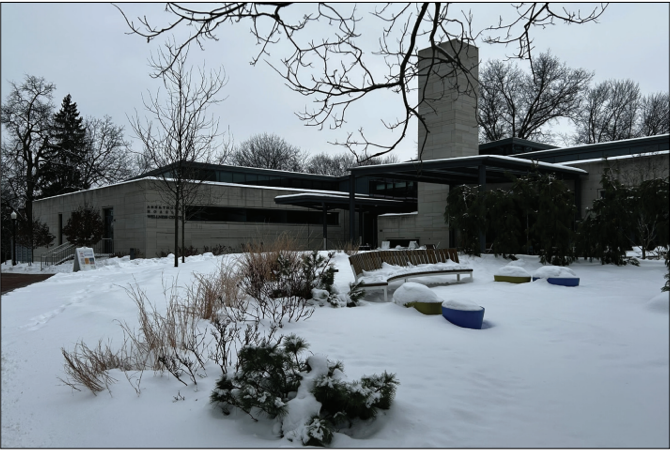
Eva Altizer, Special to The Denisonian
As many students have experienced firsthand, the flu and various common colds have been circulating on Denison’s campus. The end of last semester signaled a startling uptick in cases.
On Dec. 10, a campus-wide health alert email was sent to students from the Hoaglin Wellness Center concerning 24 confirmed cases of Influenza A recorded on campus, and 76 confirmed cases in Licking County.
The email advised students with the flu to not attend class, sit in dining halls, or linger in public spaces. However, students would be allowed to pick up food from the dining halls and other facilities while wearing a mask.
The flu poses more challenges than a sickness like the common cold; if a student tests positive, they cannot attend classes. When it comes to the end of the semester— and final exam season— attending every class is crucial. The illness’s common symptoms can be detrimental as well.
According to Michelle Barcelona, the director for medical services at the Hoaglin Wellness Center, the flu frequently involves symptoms that come on quickly, such as high fever, headache, painful cough, generalized body aches, nasal congestion, sore throat, and more.
“Flu activity often fluctuates during the winter months, and it’s common to see cases rise after winter break, particularly in late January and February, as students coming back to campus from traveling during break may return with influenza. Gathering again in classrooms, social settings, and sports activities facilitates the spread of influenza,” Barcelona said.
While necessary, the guidelines for students with the flu can interrupt their academics, especially as cases ramp up during the colder seasons.
“I had the [flu] as the first finals were happening at the end of the semester, and it lasted for just under a week. My roommate and his girlfriend also had it as well, as well as people less closely in contact with me,” said T.J. Boyle ‘28.
Boyle was one of the confirmed cases on campus late last semester. “I went to Hoaglin [Wellness Center] and got a test that confirmed I had the flu, which then allowed me to get excuses for being unable to do work for some of my classes, which was helpful, and they also prescribed me antibiotics,” Boyle said.
“I had to push back several of my finals and struggled on a couple of them in large part because I missed the last couple of classes that covered a lot of what was on the finals,” Boyle said.
Even though influenza cases spiked at the end of the fall semester, illness remains on campus and can still be disruptive.
“Flu case numbers are affected by vaccination coverage and the flu strains that are circulating at any given time. Trends can shift as the season progresses. As in any year, we’re monitoring it closely and prepared to support the community,” Barcelona said.
Just as students have been cautious around the freezing temperatures and frequent snowstorms these past few weeks, they should also be on the lookout for the flu and other contagious diseases.
“It took a large number of students out of being able to safely socialize and participate in group academic projects or non-academic activities, which I would think made the social life on campus smaller for the amount of time that everyone was sick,” Boyle said.
So in the interest of keeping campus active and learning, Barcelona recommends strategies to prevent the flu, such as getting the flu vaccine, washing your hands frequently, avoiding touching your face, and taking care of yourself.
If you develop flu-like symptoms, contact the Hoaglin Wellness Center at 740-587-6200 to schedule an appointment.